
Digital Technologies – Unit Planning Template (6–8 weeks)
This template supports teachers with planning. Teachers can adapt it to suit their school context and existing planning requirements. Use this template when exploring a scope and sequence topic provided on the DT Hub.
Additional details
| Year band(s) | Foundation, 1-2, 3-4, 5-6, 7-8, 9-10 |
|---|---|
| Format | Document |
| Keywords | Planning, Template |
| Organisation | Education Services Australia |
| Copyright | Creative Commons Attribution 4.0, unless otherwise indicated |
Related resources
-

Computational thinking in practice F-2 (Parent and teacher activity cards)
A set of printable cards that give simple activity ideas for parents and teachers on each of the six aspects of computational thinking.
-
First Robotics Competition
This site provides access to enter in the 'First Robotics Competition', a competition whereby students come together to build robots and develop teamworking skills.
-
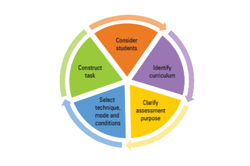
Blueprint for designing and constructing an assessment task
The Assessment and reporting advice and guidelines support teachers to implement and assess Digital Technologies.
-

Robotics through coding
Read the article in this Scan magazine by Kylie Burrett, a teacher librarian at Whitebridge High School, who explains how a lunchtime robotics and coding club has helped students to engage with technology and learn essential 21st century skills.
-

The new work mindset
Change summary to During 2020, the global pandemic COVID-19 has seen Australia, like many other nations across the world, struggling to forecast what the future of work will look like given the pandemic has impacted almost every aspect of how we live, learn and earn.
-

Abstraction
Want to find out more about what abstraction is and its role is in computational thinking? This resource outlines: What is abstraction, why is abstraction important and what abstraction looks like in the primary curriculum. Requires free log-in to access resources.
-

WS02 - Human robot programming
Use this ACARA worksample to assess how Years 1–2 students follow and describe basic algorithms involving a sequence of steps.